Concrete pumping can make a major difference to how quickly and efficiently a project moves forward, but choosing the right pump is as important as choosing the right concrete mix. Line pumps and boom pumps both deliver concrete where it needs to go, yet their designs suit different site conditions. A narrow residential project may call for one solution, while a large commercial pour could benefit from another.
Understanding the differences can help reduce delays, improve placement, and keep the job running smoothly. For expert advice on concrete pumping and delivery, professional support can make the decision easier too.
Line Pump Vs Boom Pump: What Is the Difference?
The main difference is how concrete reaches the pouring area. A concrete line pump uses connected hoses or pipes, while a boom pump uses a hydraulic arm mounted on a truck to place concrete over and around obstacles. The right option depends on factors such as site access, distance, height, concrete volume, and layout.
How a Line Pump Works
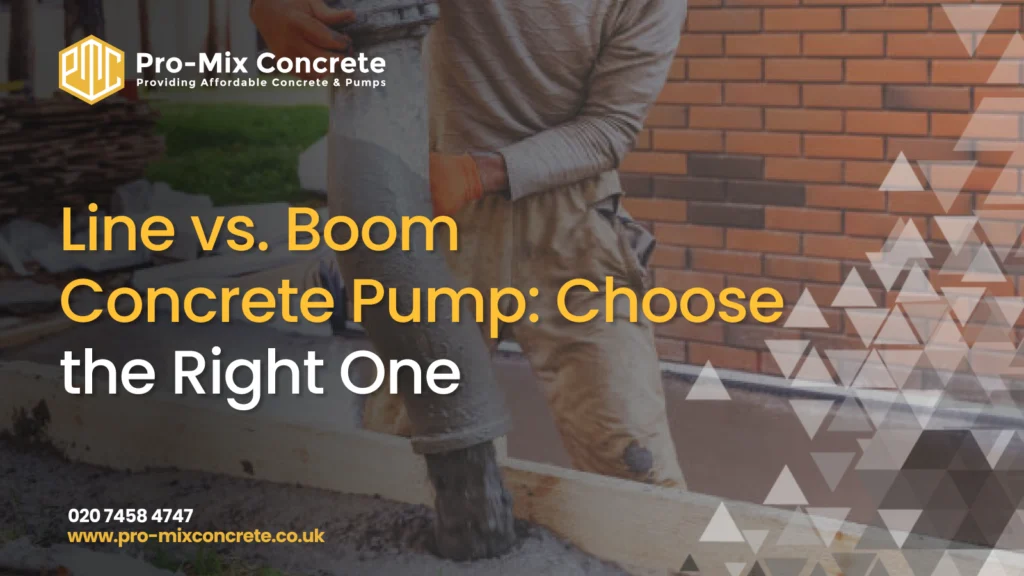
A line pump uses flexible hoses that can be routed around walls, buildings, fences, and other obstacles. This makes it a practical choice for domestic projects, restricted-access sites, and ground-level pours where concrete needs to travel from the pump to the required location.
How a Boom Pump Works
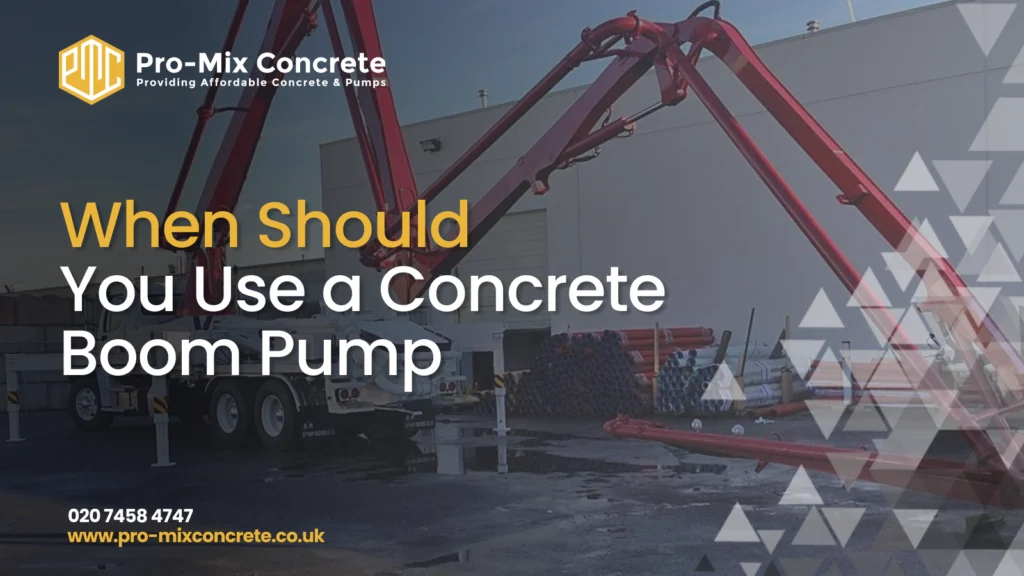
A boom pump uses an articulated hydraulic arm to deliver concrete across and above obstacles. It can reach areas that may be difficult to access with ground-level hoses, making it suitable for larger or elevated pours. The truck needs enough space for safe access and stabilisation.
When Is a Line Pump the Better Choice?
A line pump is often ideal when flexibility and restricted access are important. Its hose-based system can reach around obstacles and into areas where a large boom pump truck may struggle to position. It is commonly used for domestic projects, smaller construction work, and ground-level pours where space is limited.
Common Situations for Line Pumps
- Restricted access: Narrow entrances, tight driveways, and confined construction areas can make a line pump easier to position.
- Domestic projects: Extensions, patios, driveways, foundations, and garden structures often benefit from flexible concrete delivery.
- Ground-level pours: Projects that do not require significant vertical reach can often be completed efficiently with a line pump.
- Obstructed sites: Hoses can sometimes be positioned around walls, buildings, and other obstacles to reach the pouring area.
Before choosing a line pump, it is still important to consider the total distance between the pump and the pour area, as well as the amount of hose required.
When access is tight, or the pouring area is difficult to reach, our concrete pump hire service can help you choose a practical setup for your site. Pro-Mix Concrete can also support projects with ready mix and on-site concrete options, helping keep delivery and placement organised.
When Is a Boom Pump the Better Choice?
Boom pumps are designed for projects where reach, speed, and efficient placement are important. Their articulated arms allow concrete to be delivered over obstacles and into areas that may be difficult to reach using hoses positioned along the ground.
This makes boom pumps particularly useful for larger construction projects, commercial developments, multi-storey buildings, substantial foundations, and large slabs. They can also be useful when a high volume of concrete needs to be placed efficiently within a limited timeframe.
Common Situations for Boom Pumps
- Large concrete pours: Large slabs, foundations, and commercial projects can benefit from faster and more controlled placement.
- Elevated work: The boom can reach higher areas, making it useful for multi-level construction.
- Difficult locations: Concrete can be placed over certain obstacles without requiring long hose runs across the site.
- Time-sensitive projects: Faster placement can help larger pours progress efficiently when site preparation is complete.
The main consideration is access. A boom pump is mounted on a large vehicle, so the site must have enough room for the truck to arrive, position itself, and safely deploy its stabilisers.
Which Pump Is Best for Different Projects?
There is no single pump that is best for every type of concrete project. The ideal choice depends on the specific requirements of the site and the work being carried out.
Line Pumps Often Suit
- House extensions and residential renovations
- Driveways and patios
- Garden foundations and landscaping projects
- Smaller slabs and footings
- Sites with narrow or restricted access
- Ground-level concrete applications
Boom Pumps Often Suit
- Large foundations
- Commercial construction
- Multi-storey developments
- Large slabs and industrial floors
- Projects requiring significant vertical reach
- Large-volume concrete pours
Project size alone should not determine the choice. A large residential project with difficult access may still be better suited to a line pump, while a smaller commercial pour could benefit from a boom pump if the concrete needs to reach a higher or more difficult location.
What Factors Should You Consider Before Choosing?
The right pump depends on more than the amount of concrete required. Taking time to assess the site before booking equipment can help prevent delays and make the pouring process more efficient.
Site Access
Consider the width of entrances, turning space, overhead restrictions, low bridges, narrow roads, and any other obstacles that could affect access. A boom pump may provide excellent reach, but it will not be suitable if the vehicle cannot safely reach the required position.
Distance and Height
Think about how far the concrete needs to travel and whether it must be placed above ground level. Line pumps can provide flexible hose routing over distance, while boom pumps are often more practical when significant height or overhead reach is required.
Concrete Volume
The amount of concrete required can also influence the decision. Larger pours may benefit from the speed and reach of a boom pump, while smaller jobs may be completed efficiently with a line pump.
Site Layout
Buildings, walls, trenches, scaffolding, fences, and other structures can all affect pump selection. Reviewing the layout in advance allows potential access issues to be identified before the concrete arrives.
Concrete pumping works best when the equipment, concrete supply, and site plan are considered together. Our team can help assess your requirements and arrange a suitable pumping solution for domestic, commercial, or industrial work.
Which Pump Is More Cost-Effective?
Cost depends on the project rather than the pump type alone. A line pump may be the more economical option for a smaller job with restricted access, while a boom pump could provide better value when faster placement and greater reach reduce labour requirements.
The cheapest initial option is not always the most cost-effective overall. Using unsuitable equipment can lead to additional hose requirements, longer working times, access complications, or delays during the pour.
Consider the complete project rather than focusing only on the initial pump hire cost. The most suitable equipment can help reduce disruption and make better use of labour and site time.
How Concrete Supply Affects Pumping
The pump is only one part of a successful concrete pour. The concrete itself must arrive in the correct quantity, grade, and consistency for the planned application. Ready mix concrete offers consistent batching and can be delivered directly to the site, while mix-on-site concrete provides flexibility when quantities may change or access to the project is more complicated. The best choice depends on the requirements of the job.
How to Prepare for a Concrete Pumping Job
Good preparation can make the pumping process much easier. Before the concrete arrives, the site should be ready for both the pump and delivery vehicle, with the pouring area prepared and clear of unnecessary obstacles.
A few simple checks can help the day run more smoothly:
- Check access: Make sure the pump and concrete delivery vehicles can reach the site safely.
- Clear the working area: Remove unnecessary obstacles around the pump setup and pouring location.
- Confirm concrete requirements: Check the required mix, grade, quantity, and delivery schedule.
- Plan the pour: Make sure the team understands where concrete needs to be placed and how the work will progress.
- Coordinate workers: Keep the pump operator, concrete supplier, and site team informed throughout the pour.
Good communication between everyone involved can help prevent avoidable delays. It also ensures the equipment is ready when the concrete arrives, which is particularly important for larger pours where timing can affect the entire operation.
Is a line pump or boom pump better for a driveway?
A line pump is often a practical choice for driveways, particularly when access is narrow or the concrete needs to be placed at ground level. The final choice depends on the size of the driveway, access conditions, pumping distance, and site layout.
Can a line pump reach as far as a boom pump?
A line pump can cover significant distances when additional hoses are connected, but a boom pump generally provides better vertical and horizontal reach from a single truck position. The most suitable option depends on the distance, height, and obstacles involved.
Is a boom pump suitable for residential projects?
Yes, a boom pump can be suitable for residential work when there is enough space for the truck to access and safely stabilise on the site. It can be particularly useful for larger foundations, difficult-to-reach areas, and projects where concrete needs to be placed at height.
Takeaway
Line pumps offer flexibility and are often well suited to restricted-access domestic projects, while boom pumps provide excellent reach and efficient placement for larger or elevated pours. The right choice also depends on the concrete mix, along with site access, distance, height, concrete volume, and overall layout. Professional advice can help match both the pumping method and concrete mix to the practical requirements of the project.
Pro-Mix Concrete provides concrete solutions for domestic and commercial projects, including ready mix concrete, mix on site concrete, floor screed, and concrete pump hire. Its pumping services include line and boom pump options, allowing customers to select a suitable approach based on project requirements and site conditions. With concrete supply and pumping services available together, Pro-Mix Concrete can help customers coordinate the different parts of a concrete pour more efficiently.

- Dennis Broderick is the founder and owner of Pro-Mix Concrete Company, a trusted name in ready-mix concrete solutions across the UK. With over 20 years of hands-on experience in the construction and concrete industry, Dennis brings unmatched expertise, practical insights, and a commitment to quality on every project - from residential driveways to large-scale commercial developments.
 BlogJuly 31, 2026When Should You Use a Concrete Boom Pump
 BlogJuly 30, 2026Line vs. Boom Concrete Pump
 BlogJuly 2, 2026Signs Your Concrete Screed Has Failed
 BlogJuly 2, 2026When Is On Site Concrete the Best Choice?